Peace Lily Care: Fix Drooping Leaves, Boost Blooms and Thrive Indoors
Spathiphyllum wallisii
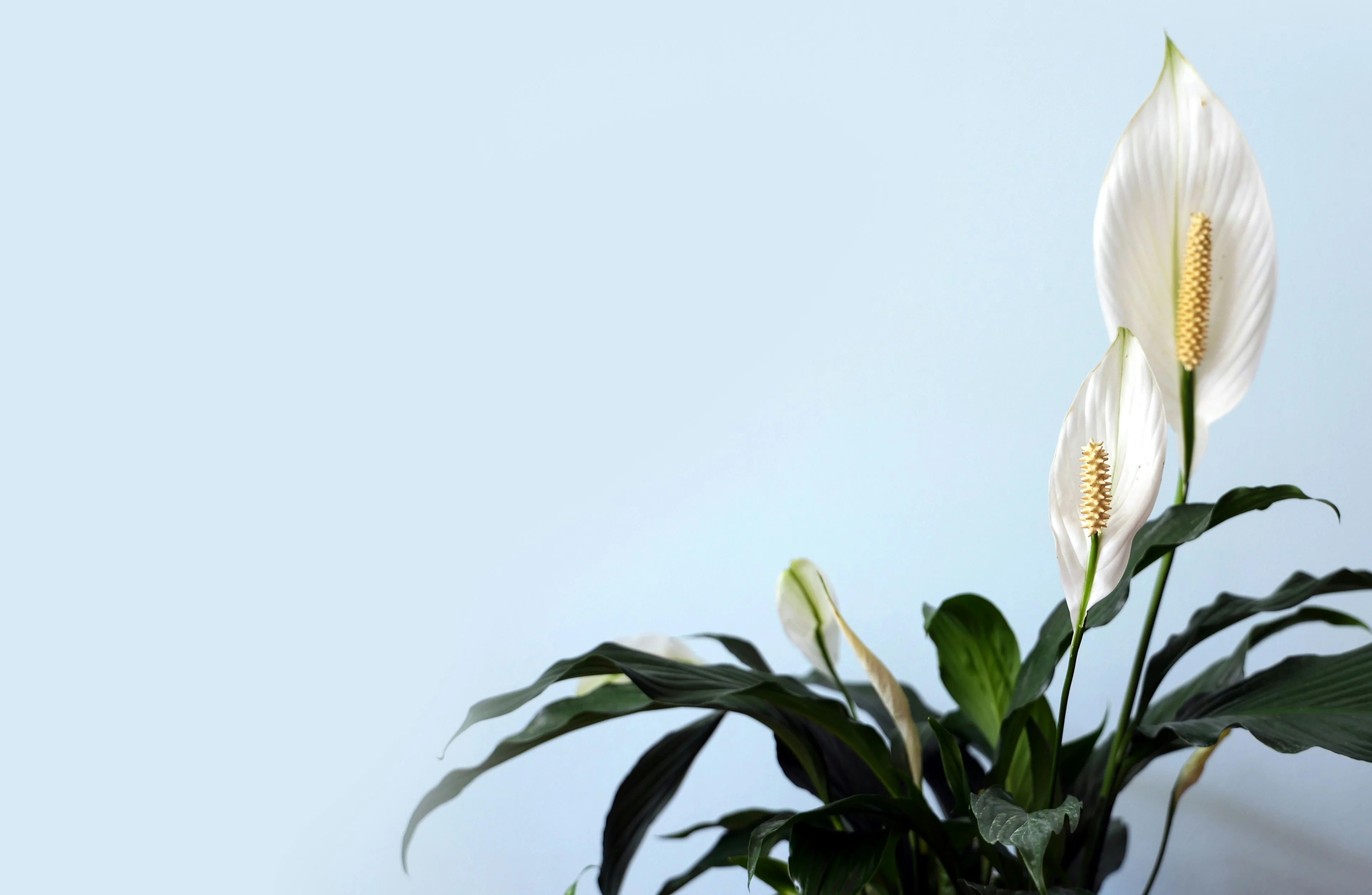
An elegant, air-purifying indoor plant famous for its white sail-like flowers and ability to thrive in medium light.
-
Light
Prefers medium to bright indirect light. While it tolerates low light well, it will rarely produce white blooms in dark corners.
-
Temperature
65-85°F (18-29°C)
Growth
moderate
pH Range
5.8-6.5
-
Biggest Owner Mistake
Overwatering in response to its dramatic wilt—peace lilies droop visibly when thirsty, which triggers owners to water immediately, but the same drooping also occurs when roots are stressed from overwatering. Learning to distinguish a thirsty droop (dry soil, lighter pot) from a root-rot droop (wet soil, mushy base) is essential.
-
What Nobody Tells You
Peace lilies actually bloom more readily when slightly root-bound because the confinement triggers a stress response that redirects energy to flowering. Repotting into a larger container often results in a year or more of no flowers while the plant establishes itself.
-
Real Home Conditions
In genuinely low light, it survives but rarely produces those iconic white spathes, putting all energy into maintaining foliage instead. Moving it to a spot with bright indirect light is the most reliable way to encourage consistent blooming.
Quick Answer
Peace Lilies thrive in bright, indirect light and require consistently moist soil. They will droop noticeably when thirsty. To prevent brown leaf tips, use filtered or distilled water instead of tap water.
Overview
The Peace Lily (Spathiphyllum) is a classic houseplant beloved for its deep green, glossy foliage and elegant white 'flowers'. It is an exceptionally communicative plant—famously drooping when thirsty and popping right back up after a drink—making it an excellent choice for beginners learning how to gauge watering schedules.
Beyond its beauty, the Peace Lily is a powerhouse of air purification. It was highlighted in the famous NASA Clean Air Study for its ability to break down harmful indoor toxins like benzene, formaldehyde, and carbon monoxide.
Light and Placement
In their native tropical rainforests, Peace Lilies grow on the forest floor, receiving dappled sunlight through the canopy. Indoors, they prefer a similar environment: medium to bright indirect light.
They are highly tolerant of low light and will survive in darker corners or offices with only fluorescent lighting. However, if you want your Peace Lily to produce its iconic white blooms, it must receive adequate bright, filtered light. Direct, harsh sunlight should be avoided entirely, as it will scorch and burn the leaves.
Watering Strategy
Peace Lilies love moisture, but they hate soggy roots. The goal is to keep the soil consistently, lightly moist. Wait until the top inch or two of the soil feels dry to the touch before watering. If you forget, the plant will remind you by drooping dramatically. Once watered, it will recover rapidly.
Pro Tip: Peace Lilies are highly sensitive to tap water. Chlorine, fluoride, and heavy minerals will accumulate in the leaf tips, turning them brown and crispy. To avoid this, use filtered water, distilled water, or let your tap water sit out overnight before watering.
Soil and Humidity
Use a rich, well-draining potting mix. A standard indoor plant mix amended with a handful of perlite and peat moss (or coco coir) is perfect. The soil needs to retain moisture without turning to mud.
Because they hail from the tropics, Peace Lilies appreciate high humidity. If you live in a dry climate or are running the heater/AC, you might notice the edges of the leaves getting crispy. Misting the leaves, using a humidifier, or placing the pot on a tray filled with pebbles and water can help replicate their native humid environment.
Pruning and Maintenance
Maintenance is simple. When the white spathes finish their blooming cycle, they will slowly turn green and then brown. Cut the flower stalk off as close to the base of the plant as possible. Similarly, if you notice an old, yellowing leaf, snip it off to keep the plant looking fresh and direct its energy into new growth.
Wipe the wide leaves with a damp cloth every few weeks to remove dust, which helps the plant breathe and photosynthesize more efficiently.
Recommended next actions
Next Best Actions
Use calculators and guides to turn this plant profile into a practical care routine.
Calculator
Watering Calculator
Calculate the correct watering frequency for your plant based on species, pot size, soil type, season, and climate.
Calculator
Humidity Calculator
Assess your home's current humidity and get specific improvement recommendations for tropical houseplants like Calatheas, Orchids, and Ferns.
Guide
Why Are My Houseplant Leaves Turning Yellow? Complete Diagnosis & Fix
After diagnosing hundreds of yellow-leaf cases across dozens of plant species, we've mapped the ten distinct causes that look nearly identical at first glance — and built the only systematic guide that tells you not just what's wrong, but exactly how to confirm it and fix it.
Guide
Tap Water for Houseplants: Which Plants Are Sensitive and What to Use Instead
Most houseplants tolerate tap water without issue — but a specific group of fluoride-sensitive and mineral-sensitive plants develop brown leaf tips, bleached patches, and stunted growth from ordinary municipal water. This guide explains the chemistry, identifies which plants are actually at risk, and gives you the cheapest effective fix for each scenario.
Guide
Fertilizer Burn on Houseplants: How to Identify, Fix & Prevent Salt Damage
Fertilizer burn is one of the most misdiagnosed houseplant problems because its symptoms — brown tips, wilting, yellowing leaves — are nearly identical to overwatering, underwatering, and root rot. The treatment for root rot is opposite to the treatment for fertilizer burn, which means getting the diagnosis wrong makes the plant worse. This guide is built around that diagnostic problem first.
Quiz
Get My Plant Map
Answer a short placement quiz for direction, room, light, and care-fit recommendations.
Structured Plant Data
Plant Data Profile
Care values below are generated from the plant JSON fields so users and crawlers can read the structured plant profile directly on the page.
Growth Characteristics
Growth Rate
moderate
Mature Height
1-3 feet indoors (some giant varieties reach 6 feet)
Mature Spread
1-3 feet
Life Cycle
Perennial
Flowering Season
Spring to early summer (can bloom year-round indoors with proper light)
Container Friendly
yes
Indoor Capable
yes
Environmental Parameters
| Parameter | Recommended | Survivable |
|---|---|---|
| Temperature | 65-85°F (18-29°C) | 55-90°F (13-32°C) |
| Humidity | 50-60%+ | 30-80% |
| Soil PH | 5.8-6.5 | 5.5-7.0 |
Lighting
Description
Prefers medium to bright indirect light. While it tolerates low light well, it will rarely produce white blooms in dark corners.
Nutrients
Nitrogen Demand
medium
Phosphate Demand
medium
Potassium Demand
medium
Micronutrient Notes
Very sensitive to chemical buildup from cheap fertilizers or tap water (fluoride/chlorine), which causes brown leaf tips. Flush the soil with plain filtered water every 2–3 months to clear accumulated salts.
Fertilizer Frequency
Feed every 6-8 weeks during the spring and summer using a diluted, balanced houseplant fertilizer.
Organic Options
Top dress with a thin layer of organic compost in early spring.
Relationships
-
Tap Water
Vulnerability | Strength 9
Highly sensitive to chlorine, fluoride, and hard minerals in municipal tap water, which chemically burns the leaf tips brown. Use filtered or rainwater.
-
Low Humidity
Vulnerability | Strength 8
Dry indoor air (especially from ACs or heaters) will cause the edges of the leaves to curl and crisp.
Peace Lily Placement Options
| Room | Light Level | Watering Need | Growth Expectation |
|---|---|---|---|
| Bright Living Room (East Window) | Bright Indirect | Moderate/High | Fast growth, abundant white blooms |
| Bedroom / Office Corner | Medium Indirect | Moderate | Steady growth, occasional blooms |
| Windowless Bathroom / Hallway | Low (Fluorescent) | Low | Slow growth, dark green leaves, no blooms |
Energy & Mindful Placement
Placement & Ancient Wisdom
True to its name, the Peace Lily symbolizes tranquility, purity, and harmony. In Vastu Shastra, placing it in the East or North-East corner helps balance ambient energies, reduces tension, and creates a calming atmosphere ideal for living rooms or bedrooms.
Best Directions
North East, East
Best Rooms
Living Room, Bedroom, Entrance, Office
Light Range
Medium, Bright Indirect
Care Profile
Moderate | Not pet safe | Indoor suitable
Common Goals
Reference: https://www.rhs.org.uk/plants/spathiphyllum
Troubleshooting Guide
1 Plant is entirely droopy and wilted
Cause: Severe underwatering (most common) or root rot from overwatering
Check the soil. If bone dry, water deeply. If soaking wet, stop watering and check roots for rot.
2 Crispy brown leaf tips
Cause: Tap water chemicals (fluoride/chlorine) or low humidity
Switch to filtered/distilled water. Increase ambient humidity.
3 Lots of leaves, no white flowers
Cause: Insufficient light
Move the plant to bright, indirect light and wait 6-8 weeks. Alternatively, provide a brief cool period (around 60°F / 16°C) for 2–4 weeks in late winter to mimic seasonal change and trigger bud initiation.
4 Yellowing leaves throughout the plant
Cause: Overwatering or poor drainage
Allow the top 2 inches of soil to dry before watering. Ensure the pot has drainage holes.
Glossary of Terms
- Spathe
- The large, white, hood-like modified leaf of the Peace Lily that is commonly mistaken for a flower petal.
- Spadix
- The spiky, textured central stalk inside the white spathe where the actual tiny, true flowers of the plant are located.
- Calcium Oxalate
- Microscopic needle-shaped crystals found in the sap of the Peace Lily that cause intense pain and swelling if ingested by pets or humans.
- Gibberellic Acid
- A plant hormone used by commercial growers to force peace lilies to bloom. Plants treated with this may not rebloom for 12–18 months after purchase as they return to a natural cycle.
Scientific References
- Spathiphyllum - Royal Horticultural Society
- Peace Lily Care - North Carolina Extension