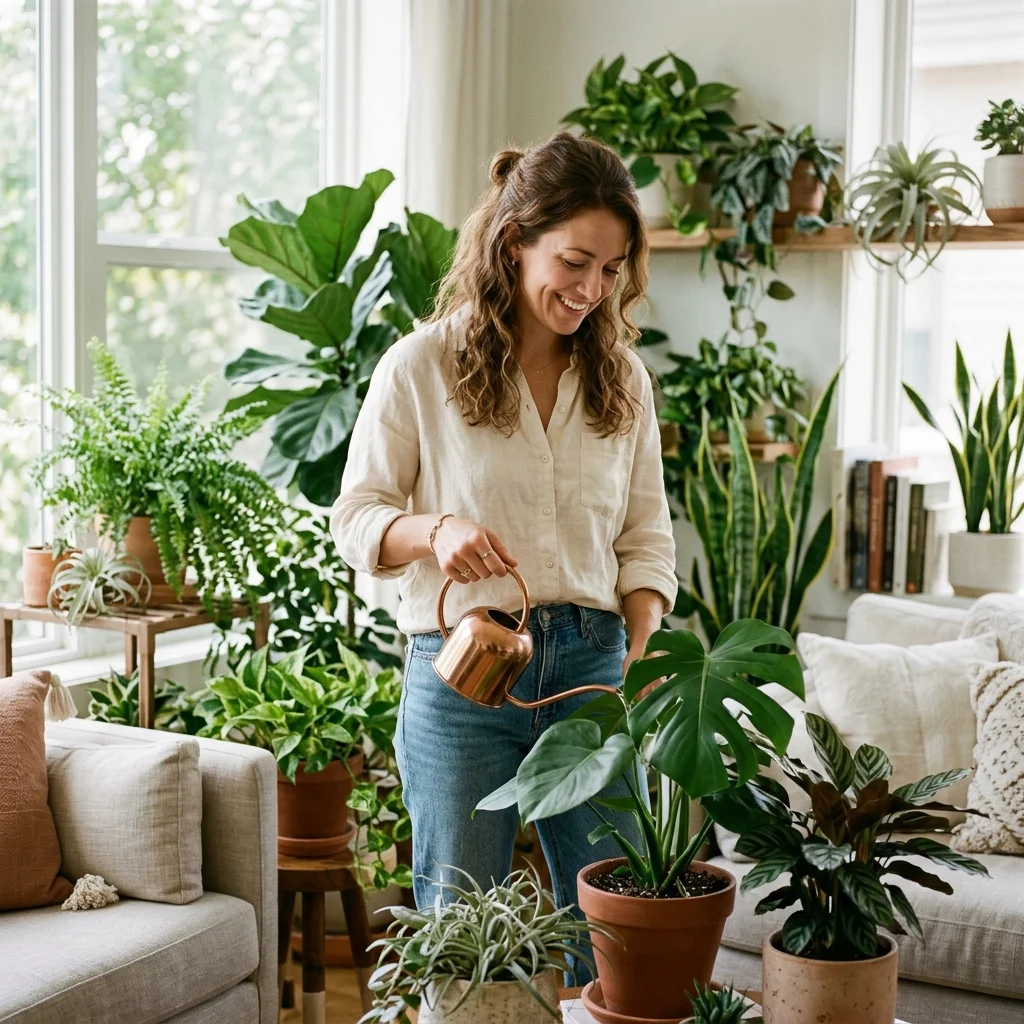
What Is a Plant Sitter?
A plant sitter is someone who cares for your plants while you are away from home. Depending on the arrangement, this can range from basic watering and visual checks to more involved tasks such as managing humidifiers, checking grow lights, inspecting for pests, and responding to plant-care problems.
The most important distinction is that plant sitting is not simply about pouring water into every pot. A responsible sitter should check whether each plant actually needs water and follow the care instructions you provide.
How Much Does Plant Sitting Cost?
Plant sitting prices vary by location, travel time, collection size, and the complexity of the work. The rates described in this guide are approximately $15–$20 per visit for a small collection and $25–$40 or more per visit for larger collections or situations requiring additional care.
These figures should be treated as practical ranges rather than universal market rates. A sitter may charge differently depending on local demand, transportation, the length of each visit, and whether the plants require specialized attention.
Small Collection: About $15–$20 Per Visit
A basic visit for a small collection may involve checking soil moisture, watering plants that need it, emptying drainage saucers, and looking for obvious signs of pests or disease.
The number of plants is only one part of the calculation. A collection of ten plants with straightforward care can take less time than ten plants with different watering, humidity, and lighting requirements.
Large or Specialized Collection: About $25–$40+ Per Visit
Larger collections can require substantially more time. The cost may increase when a sitter needs to manage dozens of plants, inspect individual pots, refill humidifiers, monitor grow lights, or follow specialized instructions for valuable or sensitive plants.
Travel time and the amount of time spent inside the home can also affect the final price.
Why a Single Plant May Still Have a Minimum Visit Charge
If you own one particularly valuable plant, you may still pay the sitter's minimum visit rate. The sitter is being compensated for travel, scheduling, access to the property, and time spent inspecting and caring for the plant rather than simply for the amount of water used.
What Does a Plant Sitter Do?
The exact responsibilities should be agreed upon before the trip. Typical plant-sitting duties include:
- Checking soil moisture before watering.
- Watering plants according to the written care instructions.
- Emptying drainage saucers when necessary.
- Checking plants for obvious signs of pests, disease, wilting, or other problems.
- Refilling humidifiers when this is part of the agreed service.
- Checking that automated grow lights or other plant equipment are operating as expected.
- Reporting unexpected problems rather than making major changes without permission.
What Makes Plant Sitting More Expensive?
Several factors can increase the amount you pay:
- Collection size: More plants generally mean more inspection and watering time.
- Care complexity: Plants with different watering, humidity, or lighting requirements require more attention.
- Travel: Greater travel distance can increase the effective cost of each visit.
- Equipment: Humidifiers, grow lights, pumps, timers, and other equipment may require additional checks.
- Specialized plants: Rare, sensitive, or valuable plants may require more detailed instructions and careful handling.
- Visit frequency: Plants requiring frequent attention may need more visits during a trip.
How to Prepare Your Plants for a Sitter
Good preparation makes the sitter's job easier and reduces the chance of mistakes.
- Create a care sheet: List each plant, its location, watering requirements, and any special instructions.
- Group plants where practical: Keeping plants with similar requirements together can simplify the routine.
- Label unusual plants: Clearly identify plants that need different treatment from the rest of the collection.
- Explain what not to do: For example, specify which plants should not be watered until the soil has dried to a particular depth.
- Provide emergency contacts: Include your contact information and, if appropriate, a backup contact.
- Explain equipment: Show the sitter how to refill or check humidifiers, grow lights, timers, or other equipment.
- Arrange a trial visit: A short test visit can reveal unclear instructions before you leave for an extended trip.
Should You Hire a Plant Sitter?
A professional sitter can be worthwhile when you have a large collection, plants with specialized requirements, or an extended absence. The value is not only in watering; regular visits also provide an opportunity to catch problems before they become severe.
For a small collection of established, drought-tolerant plants, professional sitting may be unnecessary for a short trip. Snake Plants, ZZ Plants, and Pothos generally tolerate periods between waterings better than plants with consistently high moisture requirements, although individual plants and growing conditions vary.
Alternatives to Hiring a Plant Sitter
Ask a Friend or Neighbor
A trusted friend or neighbor may be the simplest solution for a small collection. Leave clear written instructions and avoid asking them to make complicated decisions without guidance.
Use Self-Watering Systems
Self-watering globes, capillary wicks, reservoirs, and other systems can help extend the time between manual waterings. However, test any system before your trip. A device that releases too much water can keep the root zone excessively wet and create problems.
Combine Automation With Occasional Visits
For longer trips, combining a tested watering system with occasional human inspections can reduce the number of visits while still allowing someone to catch equipment failures, pests, leaks, or unexpected plant stress.
Plant Sitter Checklist Before You Leave
- ☐ Write individual watering instructions.
- ☐ Identify plants with special requirements.
- ☐ Test self-watering equipment before departure.
- ☐ Check that grow lights and timers are working.
- ☐ Clean and fill humidifiers if they will be used.
- ☐ Provide access instructions and emergency contacts.
- ☐ Explain which plants should not be watered automatically.
- ☐ Consider a trial visit before a long trip.
Bottom Line
Plant sitting is usually priced according to the time and complexity of each visit rather than simply the number of days you are away. The guide's practical ranges of roughly $15–$20 per visit for a small collection and $25–$40+ for larger or specialized collections provide a starting point, but local rates can vary substantially. For simple collections, a trusted neighbor or tested self-watering setup may be enough. For large, valuable, or demanding collections, regular professional visits can provide both care and peace of mind.